
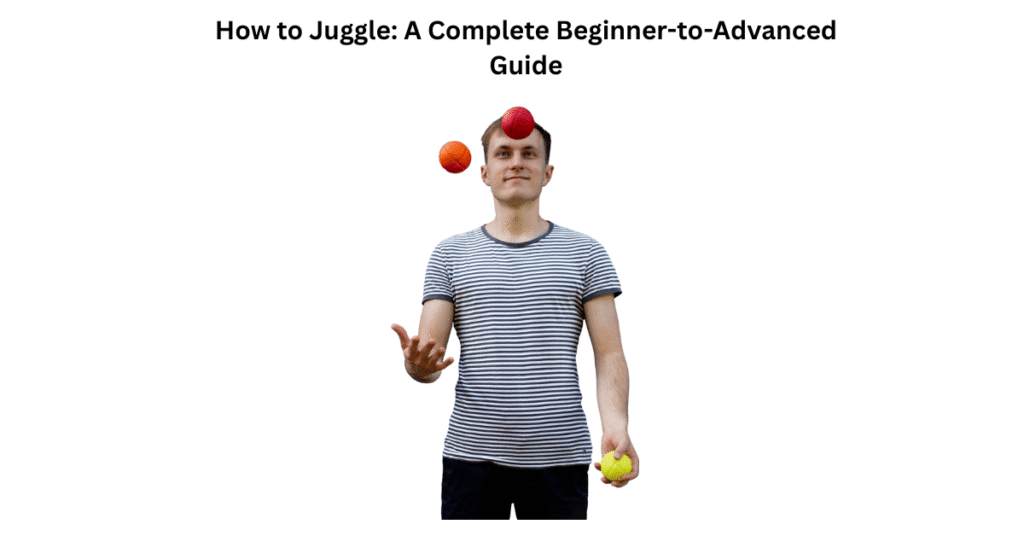

Juggling looks impressive, almost magical—but the truth is, learning how to juggle is far more achievable than most people realize. Whether you want to juggle three balls, master a soccer ball, or even juggle multiple projects at work, the core principles are surprisingly similar.
This guide breaks everything down in a clear, friendly way, so you can learn how to juggle step by stepwithout frustration or fancy equipment.
Why Learn How to Juggle?
Juggling isn’t just a party trick. It improves:
-
Hand-eye coordination
-
Focus and reaction time
-
Patience and confidence
-
Mental flexibility
And yes—it’s fun once things start clicking.
How to Juggle for Beginners: Start Simple
Before jumping into three balls, it’s best to build a foundation.
How to Juggle 2 Balls
Learning how to juggle 2 balls teaches timing and control.
Steps:
-
Hold one ball in each hand
-
Toss the first ball in a gentle arc to eye level
-
Toss the second ball just before the first peaks
-
Catch both and reset
Practice this until it feels smooth and predictable.
How to Juggle 3 Balls (Beginner-Friendly Method)
This is the classic juggling pattern—and the most searched.
How to Juggle 3 Balls for Beginners
The secret is learning the cascade pattern.
Step-by-step:
-
Hold two balls in your dominant hand, one in the other
-
Toss the first ball across your body
-
Toss the second ball as the first reaches its peak
-
Toss the third ball, then focus on catching
Tip: Juggling is more about throwing accurately than catching.
Common Mistakes Beginners Make
-
Throwing balls too high
-
Watching hands instead of the balls
-
Standing stiff instead of relaxed
-
Practicing too long without breaks
Short, consistent practice works better than marathon sessions.
How to Juggle 4 Balls (The Step Up)
Once three balls feel natural, many people wonder how to juggle 4 balls.
This pattern is different—it’s usually a two-ball-in-each-hand rhythm rather than crossing throws.
Quick Tips for 4 Balls
-
Practice two-ball drills in each hand
-
Keep throws lower and faster
-
Expect drops—it’s normal
This stage takes patience, but progress comes steadily.
How to Juggle 5 Balls (Advanced Skill)
Learning how to juggle 5 balls is a serious coordination challenge.
What changes?
-
Throws are higher
-
Timing must be precise
-
Endurance matters
Most jugglers train using:
-
3-ball high throws
-
4-ball endurance drills
-
Short 5-ball attempts
It’s not about talent—it’s about repetition.
How to Juggle a Soccer Ball
Ball juggling isn’t just for hands.
How to Juggle a Soccer Ball
Also called “keep-ups,” soccer juggling builds touch and control.
Beginner Tips:
-
Use the top of your foot, not your toes
-
Start with one bounce between touches
-
Keep the ball below waist height
-
Stay relaxed and centered
Practicing how to juggle a soccer ball improves real-game performance fast.
How to Juggle Multiple Projects (Real-Life Juggling)
Juggling isn’t only physical.
How to Juggle Multiple Projects Without Burnout
The same principles apply:
-
Focus on rhythm, not speed
-
Prioritize one “throw” at a time
-
Anticipate what’s coming next
Helpful strategies include:
-
Task batching
-
Clear deadlines
-
Visual planning tools
Learning how to juggle multiple projects is about balance, not doing everything at once.
How Long Does It Take to Learn How to Juggle?
Most beginners can:
-
Juggle 2 balls in one session
-
Juggle 3 balls within 1–2 weeks
-
Build consistency in a month
Progress depends on practice quality, not natural ability.
FAQs About How to Juggle
Is juggling hard to learn?
No. It feels awkward at first, but most people can learn with short daily practice.
What balls are best for beginners?
Beanbags or soft juggling balls—they don’t roll away when dropped.
Can kids learn how to juggle?
Absolutely. Juggling is great for coordination and focus at any age.
How often should I practice juggling?
10–15 minutes a day is ideal.
Does juggling improve the brain?
Yes. Studies link juggling to improved brain plasticity and coordination.
Conclusion: Anyone Can Learn How to Juggle
Learning how to juggle—whether it’s balls, a soccer ball, or multiple responsibilities—comes down to patience, rhythm, and practice. Start small, stay consistent, and don’t fear dropping things. That’s part of the process.
Next steps:
-
Explore beginner juggling drills
-
Try juggling games for coordination
-
Learn related skills like balance or reaction training


